

Should You Move to Miami? Pros and Cons Guide
Relocation, Miami Living Guide
Should You Move to Miami? A Practical Guide to the Pros, Cons, and How It Compares
Living in Miami can feel like a dream—or a drain—depending on your budget, lifestyle, and tolerance for heat and hustle. This guide walks you through the real pros and cons, then compares Miami with another popular choice, Austin, so you can decide if the Magic City fits your life and goals.
The Biggest Pros of Living in Miami
Miami’s appeal is more than Instagram beaches. For the right person, it offers a powerful mix of climate, career opportunity, and culture that’s hard to match elsewhere in the U.S.
Warm Weather and Outdoor Living Year-Round
Winters are mild and short, and you can run, bike, paddleboard, or play volleyball outside almost every month of the year. If you thrive on sunshine, Miami’s climate is a major quality-of-life upgrade compared with colder cities.
Beaches, Bays, and an Active Lifestyle
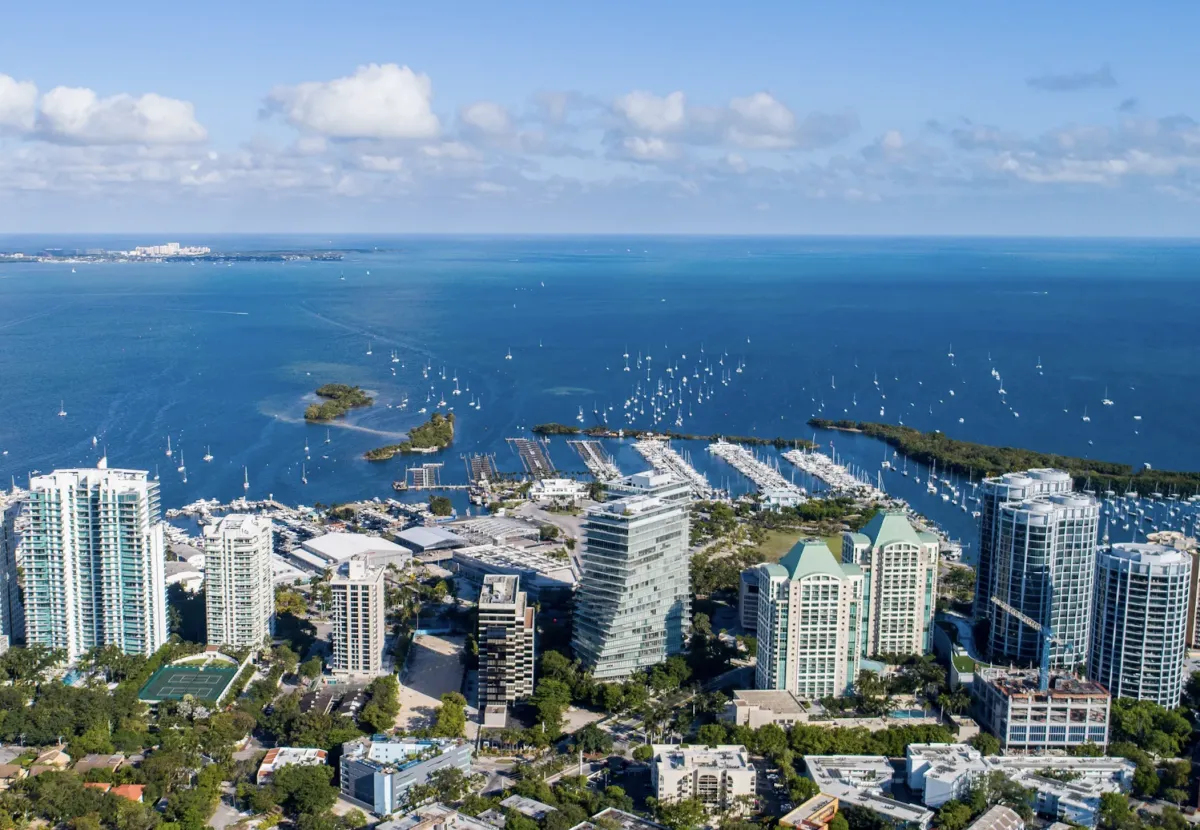
With South Beach, Key Biscayne, and Biscayne Bay within easy reach, it’s simple to build an everyday routine that includes swimming, boating, or just walking by the water. Parks and waterfront paths make it easy to stay active without a gym membership—though fitness culture is strong here too.
Diverse, International Culture and Food
Miami is deeply shaped by Latin American and Caribbean communities. You’ll find Spanish widely spoken, incredible Cuban, Colombian, Haitian, Peruvian, and Venezuelan food, and major cultural events—from Art Basel to Calle Ocho. If you enjoy global music, art, and nightlife, Miami rarely feels boring or quiet.
A Growing, Diversified Economy
Miami is no longer just tourism and real estate. It’s a serious business hub:
Finance and international banking: Over 60 international banks and hundreds of fintech firms generate about $28 billion in regional output and employ roughly 150,000 people, making Miami a top U.S. center for global finance and Latin American markets (eidmiami.org).
Tech and fintech: The region hosts 2,500+ startups, six unicorns, and more than $2.4 billion in annual venture capital, with tech jobs projected to grow 13% by 2030 (eidmiami.org).
Tourism, trade, healthcare, and logistics: PortMiami and Miami International Airport support hundreds of thousands of jobs, while tourism alone brings in over $32 billion a year and supports more than 200,000 jobs.
For professionals in finance, tech, healthcare, tourism, logistics, or international trade, the job market is dynamic and still expanding—especially in business hubs like Brickell and Downtown.
No State Income Tax
Florida has no state income tax, which is a major advantage for higher earners, remote workers, and business owners relocating from high-tax states. While Miami’s cost of living is high, keeping more of your paycheck can help offset housing and everyday expenses.
A Major Travel Hub
Miami International Airport is one of the busiest in the world, with easy access to Latin America, the Caribbean, and major U.S. cities. If you travel for work, or love quick getaways, the combination of MIA and PortMiami (a leading cruise port) makes Miami an ideal base.

Brickell’s rise as a finance and tech hub has expanded high-paying job options.
The Key Cons and Everyday Challenges of Miami Life
For all its sunshine, Miami comes with real trade-offs—especially around cost, climate, and infrastructure. These can be dealbreakers for some people, so it’s important to weigh them honestly.
High Cost of Living, Especially Housing
Most estimates place Miami’s overall cost of living between 20% and 40% above the U.S. average, with indexes ranging from 127 to 138 (calchubb.com, askdoss.com, wemiami.com). Housing is the main driver:
Median home prices often fall in the $580,000–$700,000+ range, depending on the source and neighborhood.
Typical rents for a one-bedroom range from about $2,300 to $2,900 per month, with central areas like Brickell or South Beach on the high end.
All in, a single person can easily spend $3,500–$4,400 per month for a moderate lifestyle, and more for a “comfortable” standard with a central apartment and frequent dining out (wise.com, costliving.net).
Traffic and Limited Public Transit
Miami has buses, Metrorail, and Metromover, but the system is not as comprehensive as New York, Chicago, or even Washington, D.C. Many residents rely on cars, which means:
Heavy congestion during rush hours, especially on I‑95, the Dolphin Expressway, and causeways.
Higher transportation costs, including gas and often expensive car insurance.
Hurricane Risk and Insurance Costs
Hurricane season runs from June through November. While direct hits are not constant, you must be prepared for:
Storm shutters or impact windows, emergency supplies, and possible evacuations.
High homeowners and flood insurance premiums, especially in coastal or low-lying areas, which can significantly add to your monthly housing costs.
Heat, Humidity, and Seasonal Crowds
Summers in Miami can feel relentlessly hot and humid, with “feels like” temperatures frequently in the triple digits. Air conditioning is almost non-negotiable year-round, which nudges utility costs up. On top of that, peak tourist seasons and major events bring crowded beaches, busy restaurants, and higher prices in popular areas.
Who Miami Is Best (and Worst) For
Miami tends to work best for:
People who love warm weather, beaches, and outdoor living.
Remote workers or professionals in finance, tech, healthcare, tourism, or international trade.
Those who enjoy diverse cultures, nightlife, and a fast-paced social scene.
It may not be ideal for:
People who prefer four distinct seasons and cooler weather.
Those who need very low housing costs or are highly debt-averse.
Anyone who strongly dislikes heat, humidity, traffic, or dense urban environments.
Miami vs. Austin: Cost, Jobs, Lifestyle, and Safety
To make the decision more concrete, let’s compare Miami with Austin, another popular choice for remote workers and professionals. Austin isn’t perfect either, but it offers a useful contrast.
Cost of Living
Miami’s cost-of-living index is around 121–135, while Austin sits closer to 103, just slightly above the national average (wemiami.com). In practice, that means:
Housing: Both cities are expensive, but Miami’s central neighborhoods (Brickell, South Beach) often cost more than comparable areas in Austin. You may find larger spaces or yards for the same price in Austin’s suburbs than in Miami’s.
Everyday expenses: Groceries and transportation are generally higher in Miami (groceries about 8–10% above average, transportation about 8–10% above), while Austin tends to be closer to the national norm.
Both Florida and Texas have no state income tax, so the big difference is housing and daily costs, not paycheck withholding.
Jobs and Economic Opportunities
Miami: Great for international business, finance, logistics, tourism, and increasingly for tech and fintech. If you work with Latin American markets, global banking, or trade, Miami has a clear edge. Healthcare and life sciences are also strong and growing.
Austin: Often called “Silicon Hills,” Austin shines in software, startups, and big-tech campuses. If your work is primarily in domestic tech, engineering, or creative industries tied to the U.S. market, Austin may offer more direct opportunities and a deep tech talent pool.
Lifestyle and Culture
Miami: High-energy, international, and visually glamorous. Think beaches, rooftop bars, Latin nightlife, art fairs, and waterfront living. It’s ideal if you love a cosmopolitan, bilingual environment and ocean access is a must-have.
Austin: More laid-back, with a strong live-music scene, outdoor activities around lakes and greenbelts, and a “casual cool” culture. Summers are also very hot, but the vibe is less flashy and more local than Miami’s global party image.
Safety and Risk Profile
Both cities have safer and less-safe neighborhoods, so safety is highly block-specific. However, the type of risk differs:
Miami’s main non-crime risk is hurricanes, flooding, and storm surge, which can disrupt life and drive up insurance costs.
Austin faces fewer large-scale natural disasters, though it has its own issues (heat waves, occasional severe storms, and rapid growth pressures).
In both cities, your experience will depend heavily on the neighborhood you choose, your commute, and how much you value walkability versus space.
How to Decide if Miami Fits Your Life
To make a clear decision, ask yourself:
Can I comfortably afford housing that feels safe and convenient for my lifestyle?
Do I genuinely like heat, humidity, and a high-energy social environment?
Does my career (or remote job) benefit from Miami’s industries and global connections?
If the answer to most of these is “yes,” Miami’s mix of sunshine, opportunity, and culture can be incredibly rewarding. If not, a city like Austin, Tampa, Dallas, New York, Los Angeles, or Chicago might be a better fit for your budget and lifestyle priorities.